
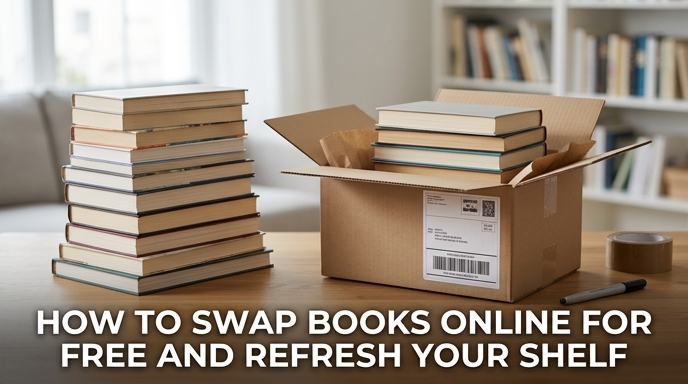
Many readers constantly face a familiar problem. Their shelves overflow with stories they have already finished, yet they still crave new reading material. Buying fresh releases every week quickly drains a personal budget. However, you do not actually have to spend money to maintain a steady stream of literature. Learning how to swap books online for free offers a practical solution to this endless cycle. By trading your completed novels with other enthusiasts, you give old stories a second life. Furthermore, this approach connects you directly with a global network of fellow readers.
Navigating Online Book Exchange Platforms

Dedicated websites exist solely to facilitate literary trades among strangers. These networks usually operate on two main principles. First, some platforms use a one-to-one trading method. You find a user who wants your physical copy and has a title you desire. Then, you both agree to mail the items simultaneously.
Second, point-based systems provide flexibility for your physical book sharing habits. When you mail a novel to a requesting user, the platform rewards you with virtual credit. Consequently, you can spend that accumulated credit to request any available item from a different user. This method removes the pressure of finding a mutual match. Therefore, point systems often result in faster transactions and wider genre variety. You simply list your inventory, wait for requests, and start earning credits.
Leveraging Social Media For Direct Trades
Social networks serve as excellent hubs for digital reading communities. Instead of relying on matching algorithms, you can negotiate directly with real people.
Finding Niche Reading Groups
Facebook hosts countless groups dedicated to free novel swapping. You can easily search for communities matching your location or preferred genre. For instance, mystery lovers create private groups to circulate thrillers among members. Once you join, you post a picture of available titles along with a wishlist. Interested members comment on your post to propose a fair exchange. Because these groups rely on community trust, always review group rules before starting a transaction.
Exploring Forum-Based Exchanges
Reddit offers active forums like r/bookexchange where thousands arrange trades daily. In these spaces, formatting your post correctly remains essential. You must clearly state your country to help others estimate postage expenses. Additionally, listing the condition of your paperbacks ensures transparency and prevents mismatched expectations. While the trade costs nothing, participants typically agree to cover their own shipping fees. Therefore, matching with someone within your own country keeps the process affordable.
Managing The Hidden Costs Of Shipping
Trading used paperbacks requires moving physical objects. Even though reading material changes hands without a price tag, postage still applies. Therefore, understanding postal rates remains a vital part of the process.
|
Swap Method |
Flexibility |
Wait Time |
Postage Cost |
|
Point System |
Very High |
Variable |
User Pays |
|
Direct Trade |
Low |
Fast |
User Pays |
|
Local Meetup |
Medium |
Immediate |
Free |
In many regions, postal services offer reduced rates specifically for educational materials. For example, the USPS provides Media Mail, which lowers the cost of mailing heavy items. Always ask your local post office about special tariffs for printed matter. Consolidating multiple trades into a single package also reduces the cost per item. Next, reuse padded envelopes from previous online deliveries. By recycling packaging materials, you eliminate another potential expense from your routine.
Preparing Your Inventory For A Smooth Trade
Before listing anything online, evaluate the physical condition of your collection. Nobody wants to receive a heavily damaged copy that falls apart during reading.
Grading Book Conditions Honestly
Examine the spine, cover, and interior pages carefully. Be upfront about highlighted text, dog-eared corners, or minor water damage. If a page features tearing, photograph the damage and show it to your partner beforehand. Transparency builds reputation within digital reading communities. Consequently, users with high trust ratings receive more requests.
Packing Items Securely
Proper packaging guarantees your shipment survives transit. First, wrap the item in a clean plastic bag to protect against moisture. Then, slide the wrapped item into a rigid cardboard mailer. Tape the edges firmly to prevent the package from bursting open during processing. A well-packaged delivery ensures positive feedback from your exchange partner.
Questions Frequently Asked About Book Bartering
Is it truly completely free to swap books online?
The exchange of reading material itself does not cost money. However, participants pay for the postage required to mail outgoing packages. If you arrange a local exchange, you eliminate shipping fees entirely.
What happens if my requested package never arrives?
Most established point-based platforms offer protection policies for lost shipments. If a package goes missing, administrators usually refund your spent credits. For informal social media trades, tracking numbers provide reliable security against lost mail.
Can I trade textbooks or academic materials this way?
Yes, many platforms welcome academic materials. Because textbooks hold high value, they often trade quickly in dedicated student networks. Just ensure you list the correct edition to avoid confusing potential partners.
Sustaining A Zero-Budget Library Over Time
Building a rotating library transforms how you approach literature. Instead of hoarding finished novels, you learn to let them go and discover new voices. By actively participating in exchange networks, your reading options expand infinitely. You continually refresh your shelves while keeping your budget intact. Embrace the online sharing culture today and watch your literary horizons broaden.
About the Author