Reading through dense stacks of textbooks often feels like a daunting task for school students and university undergraduates alike. Many learners struggle to extract essential information from heavy course materials filled with complex technical jargon. Students frequently skim through pages without grasping how the content connects directly to their course syllabus. Applying the right learning strategies will help you save significant time throughout the semester.
Selecting and digesting academic course materials requires a structured approach to make studying both effective and enjoyable. Understanding active reading methods enables college students to master exam topics without memorizing entire paragraphs word for word. Furthermore, the evolution of modern book formats provides convenient access for anyone looking to obtain affordable textbooks without breaking the bank. Here is a complete guide to maximizing course books within your daily study routine.
Effective Reading Strategies Using Academic Methods

Reading academic course books the same way you read popular fiction is simply not an efficient approach. Employing structured reading techniques helps the brain process and retain complex information for much longer periods.
Applying the SQ3R Method to Textbooks
One of the most popular and proven techniques is the SQ3R method, which stands for Survey, Question, Read, Recite, and Review. The initial stage begins with a quick survey of titles, subheadings, charts, and chapter summaries to gain a high-level overview.
Next, turn each subheading into a guiding question before reading the body paragraphs in depth. This technique trains your mind to search for specific answers as you read through the text. After completing a section, recite the main points in your own words and review them periodically.
Active Recall Techniques and Concise Note Taking
Re-reading paragraphs multiple times is proven to be less effective than actively testing your own memory. Try closing the book after finishing a subtopic, then write down the key concepts you can recall on a blank sheet of paper.
This self-testing method forces the brain to work more actively in retrieving newly acquired information. Additionally, create visual mind maps to connect complex theories together. As a result, you understand underlying concepts without depending on dense walls of text.
Choosing Affordable and Accessible Study Resources
The cost of obtaining required reading materials often presents a major financial hurdle for students in Higher Education. Fortunately, several smart alternatives exist for acquiring high-quality academic textbooks without overspending your budget.
Benefits of OpenStax and Open Source Platforms
The rise of open-access educational platforms such as OpenStax brings a fresh wave of accessibility to global learning. This platform provides numerous school textbooks as well as college textbooks of high quality, completely free and legal.
Students can download digital e-textbooks or access them directly through a web browser at any time. These open resources are curated by subject experts and aligned with standard international curricula.
Book Rental Solutions and Digital Editions
For students who require publications from major publishers like Pearson or McGraw-Hill, rental options serve as a great alternative. Utilizing a textbook rental service allows access to affordable textbooks for an entire semester at a fraction of the retail cost.
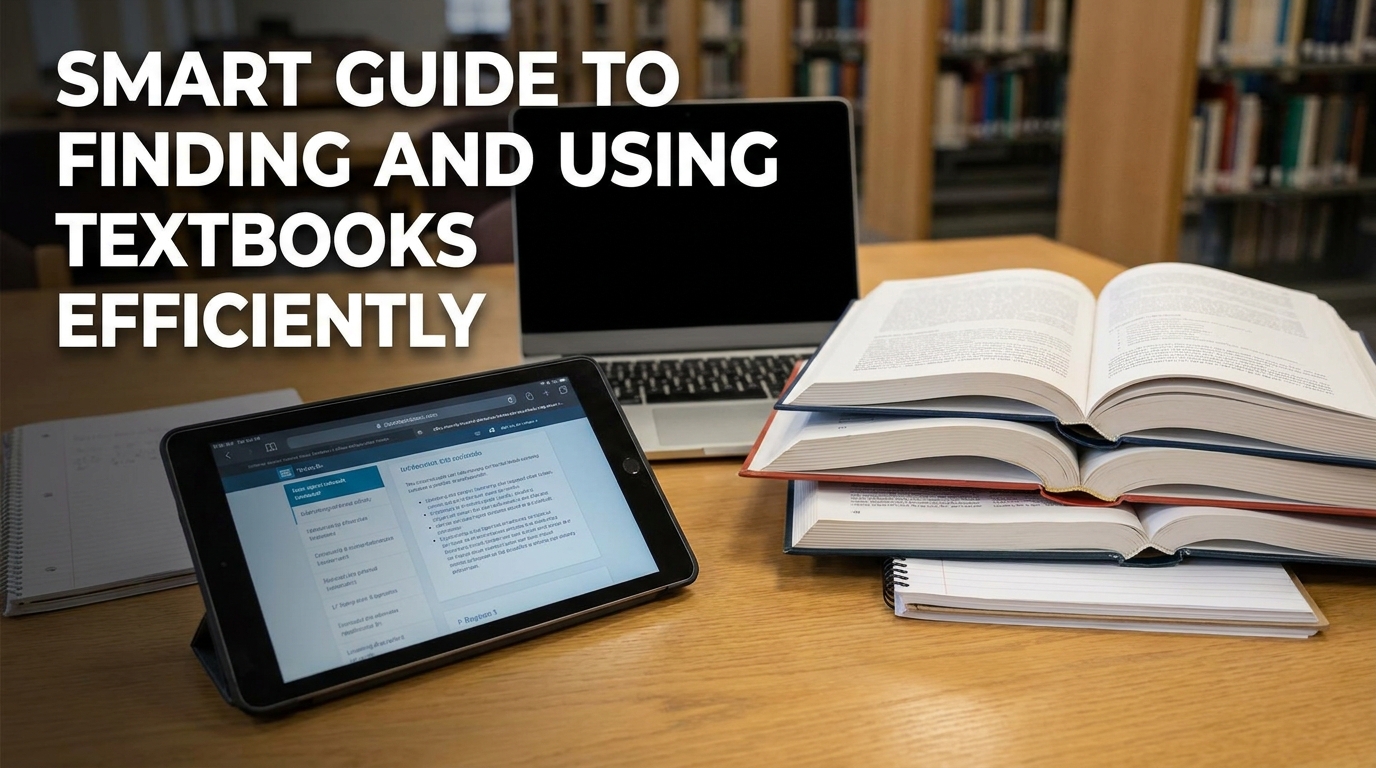
Meanwhile, digital formats offer rapid keyword search capabilities and exceptional portability for busy schedules. You no longer need to carry heavy physical volumes across campus. Simply store all your study guides and digital references on a laptop or tablet.
Comparing Academic Book Formats for Learning
Every type of course material comes with distinct advantages and limitations when supporting independent study habits. The following table provides a clear comparison to help you choose the format best suited for your study routine.
| Format Type | Primary Advantage | Usage Considerations |
| Physical Print Books | Screen-free reading and easy manual annotation | Heavy physical weight and higher purchase cost |
| Digital E-Textbooks | Highly portable with fast keyword search features | Requires device battery and causes eye strain |
| Open Source Platforms | Full legal access available online at no cost | Selection limited to specific academic subjects |
| Textbook Rental Options | Significantly cheaper than buying brand new books | Strict return deadlines at the end of semester |
The comparison table above offers a clear overview when deciding on the most efficient learning medium. Combining print and digital resources often provides a flexible solution for different study environments.
Integrating Textbooks with Your Course Syllabus
Thick reference books become much easier to manage when you align them directly with your official course syllabus. This official learning roadmap indicates precisely which sections and topics require your immediate attention.
Selecting Key Chapters Based on Class Objectives
Professors usually assign specific chapters or selected excerpts from course materials for classroom lectures. Focus your primary energy on studying the chapters explicitly listed in your semester guide.
Meanwhile, textbook sections not included in required reading lists can be treated as optional supplementary material. This selective filtering keeps you from wasting precious study time on topics irrelevant to upcoming exams.
Connecting Textbook Theory with Class Discussions
When attending lectures, bring the concise notes you prepared during your independent reading sessions. Cross-reference the instructor’s explanations with the core theories outlined in your academic references.
If you discover conceptual gaps or unclear points, use classroom discussion time to ask targeted questions. Active interaction deepens your understanding of key concepts while demonstrating genuine academic preparation to your professor.
Practical Tips for Managing Study Time Without Stress
Maintaining consistency in your reading schedule is the ultimate key to avoiding last-minute cramming before final exams. Establishing a regular study routine builds topic mastery gradually and sustainably over time.
- Allocate dedicated reading time for twenty to thirty minutes every single day.
- Avoid marathon reading sessions covering hundreds of pages the night before an exam.
- Find a quiet study environment free from social media distractions to maintain deep focus.
- Use highlighters sparingly on key terms instead of highlighting entire paragraphs.
As a recommendation, alternate intensive reading sessions with short five-minute breaks to refresh your mental state. Spaced learning patterns maintain cognitive energy so your brain retention remains at peak levels.
Mastering Academic Resources for Educational Success
Utilizing textbooks efficiently is an essential skill that every successful student should master. Implementing active reading techniques and taking advantage of open resources will make your study process genuinely effective. A deep understanding built from quality academic references serves as a solid foundation for your educational journey.
Start applying these structured reading strategies to the study materials assigned for your classes this week. Evaluate your comprehension progress periodically and refine the techniques that work best for your personal routine. Enjoy exploring new knowledge and reach your full academic potential.
Questions About Using Academic Textbooks
Why Is Reading Textbooks Harder Than Reading General Literature?
Academic materials are written with dense language structures, specialized terminology, and interconnected theoretical concepts. High concentration and active reading techniques are required to process the logical flow of information effectively.
Can E-Textbooks Replace Physical Books Entirely?
Digital formats offer exceptional accessibility and portability for daily mobility across campus. However, many students still prefer physical copies to avoid eye fatigue and maintain concentration during long study sessions.
How Do I Find Affordable Textbooks Legally?
You can utilize campus libraries, explore open-access platforms like OpenStax, or use digital rental services. Purchasing used copies from senior students is another budget-friendly alternative that respects copyright laws.
Do I Need to Read Every Chapter of a Textbook from Start to Finish?
You do not need to read an entire book if your primary goal is fulfilling specific course requirements. Focus exclusively on chapters aligned with your syllabus to keep study sessions efficient and targeted.
When Is the Best Time to Read Textbook Materials?
The ideal time to read is prior to attending lectures so you possess a foundational understanding of upcoming topics. Reading ahead makes it much easier to follow class presentations and contribute meaningfully to discussions.
About the Author