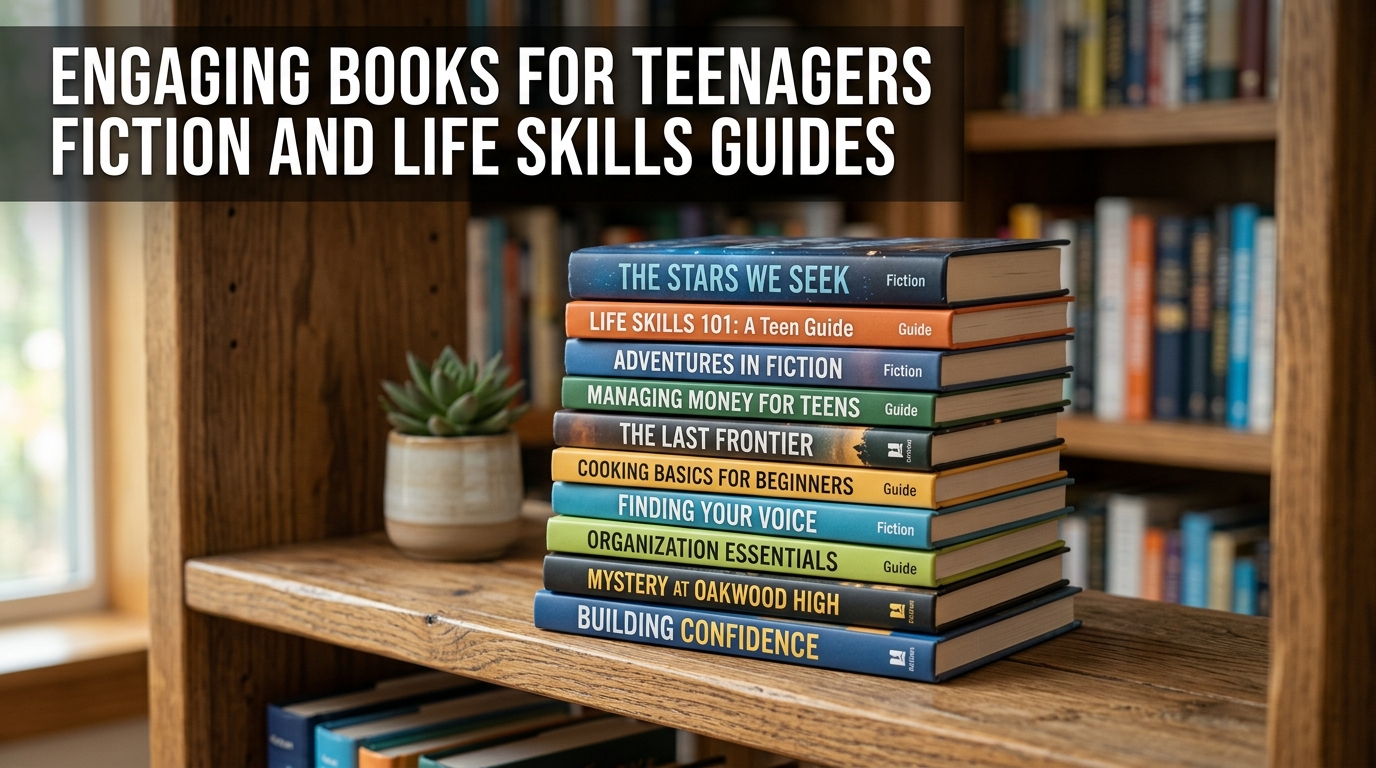
Guiding teenagers to find the right reading materials is often a unique challenge for both parents and educators. Finding a quality collection of books for teenagers can open new horizons while fostering a lifelong love of reading. The teenage years are a critical transition period when curiosity, identity formation, and emotional shifts are rapidly developing. Therefore, the reading materials presented must feel relevant, captivating, and able to wisely address the various anxieties typical of puberty.
The right book does not only provide entertainment but also instills social empathy and trains critical reasoning. Whether through heart-stirring fiction or practical personal development guides, quality literature always succeeds in being a pleasant companion for growth for the younger generation.
The Importance of Choosing Balanced Good Books for Teenagers
Adolescence is a golden bridge to adulthood that requires continuous intellectual stimulation. Providing good books for teenagers with a wide variety of themes can enrich vocabulary and sharpen a child’s imagination. On the other hand, reading stories that address issues of friendship, family, and the search for identity helps them understand the complexity of human emotions more maturely.
A balance between narrative fiction and applicable nonfiction is highly necessary to support their growth and development. Fiction hones emotional intelligence through deep characterization, while nonfiction books equip them with practical skills such as time management, basic financial literacy, and mental resilience in facing social dynamics at school.
A Lineup of Popular Books for Teenagers in Engaging Fiction Genres
The teenage fiction category always has an extraordinary appeal in capturing reading interest thanks to exciting storylines and characters that are easy to relate to in everyday life.
1. Realistic Narrative Fiction Full of Empathy
Works in the coming-of-age novel genre present stories about internal struggles, friendship dynamics, and the transition to adulthood. Through the perspective of main characters of the same age, readers are invited to dive into the joys and sorrows of teenage life honestly. Such narratives have proven effective in fostering mutual respect for different backgrounds in social environments.
2. Fantasy Adventures and Dystopias Full of Riddles
Action-packed adventure stories always succeed in grabbing the attention of beginner readers. Imaginative worlds with conflicts of leadership, moral justice, and the sacrifice of friendship provide space for teenagers to think strategically. Besides being entertaining, fantasy tales challenge readers to analyze character decisions in facing complex moral crises.
3. Mystery Fiction and Teen Investigations
Mystery books invite readers to actively piece together clues and guess the storyline until the final chapter. Fast-paced writing styles with unexpected plot twists are very suitable for maintaining students’ concentration so they are not easily distracted by smartphones. Reading this genre regularly trains precision and the sharpness of a child’s logical thinking.
Life Skills Guides and Character-Building Nonfiction
Providing engaging books for teenagers to read also includes nonfiction books that explore crucial topics around future readiness in a relaxed and communicative way.
1. Emotional Management and Mental Resilience
Puberty is often marked by academic pressure, social expectations, and dynamic mood changes. Teen-specific personal development books help them manage anxiety, build self-confidence, and respond to failure with a positive attitude. A science-based approach wrapped in casual language makes motivational messages feel grounded without a patronizing tone.
2. Basics of Teen Financial Literacy
Introducing the concept of pocket money management from an early age is a valuable investment in a child’s independence. Financial guidebooks for beginners teach how to save, distinguish between needs and wants, and provide a simple understanding of safe side jobs. This understanding trains teenagers to be more responsible for their daily financial decisions.
3. Interpersonal Communication and Healthy Relationships
The ability to interact confidently greatly determines the quality of friendships and relationships at school. Communication guides provide practical tips regarding setting personal boundaries, the art of active listening, and how to decline negative invitations politely. Teenagers who are skilled in communicating will be better prepared to face challenges in the college environment or the world of work later on.
Teen Reading Recommendation Curation Matrix Based on Needs
Tailoring reading materials to teenagers’ personal preferences and goals will make it easier for you to choose the right book, as mapped out in the following table:
| Reading Category | Main Benefits | Suitable Reader Profile |
| Young Adult Fiction | Building empathy and imagination | Teenagers who enjoy dramatic stories and warm relationships |
| Fantasi & Misteri | Honing deductive logic and focus | Readers who need the stimulation of fast-paced plots |
| Pengembangan Diri | Forming resilience and self-confidence | Teenagers facing pressures of social adaptation |
| Literasi Finansial | Teaching fund allocation and independence | Secondary school students who want to be financially independent |
| Panduan Komunikasi | Training self-boundaries and diplomacy | Children who want to increase self-confidence in class |
Tips for Fostering Reading Consistency Without Feeling Forced
Maintaining a reading routine requires a supportive environment and a relaxed approach. As a recommendation, set aside time to read together for about fifteen to twenty minutes every night before bedtime. Not only that, invite teenagers to have light discussions about the contents of the book they have just finished without giving the impression of being tested in class.
Meanwhile, give full freedom for children to choose the genre that most captures their personal interest first. When compared to the method of forcing heavy textbook reading, providing the freedom to choose light fiction genres has proven to be far more effective in building an organic reading habit that lasts a lifetime.
First Steps in Building a Teen Literacy Culture
Presenting the right selection of books for teenagers is a concrete step in building the foundation of character and intelligence of the younger generation. The variation of themes that combine the warmth of narrative fiction and the practicality of life skills books will broaden children’s thinking horizons as a whole. Start building a comfortable reading corner at home today and accompany your teenager’s literacy exploration process with enthusiasm.
Information Space for Youth Reading Choices
How to capture the reading interest of teenagers accustomed to playing on phones?
Start with graphic novels or concise mystery fiction that has a fast-paced plot and interesting visuals so they don’t feel burdened when finishing the first chapter.
Is teen fiction safe for middle school students to read?
Most teen fiction novels have clear age group labels on the back cover, so parents are advised to check the synopsis first to ensure thematic suitability.
What is the ideal time allocation for teenagers to read books every day?
Reading for fifteen to thirty minutes per day is more than enough to form a sustainable routine habit without interfering with the main study schedule.
When is the right time to introduce financial literacy books to children?
The early transition to middle school is the best time because at that age children begin to manage daily pocket money independently.
Why are nonfiction personal development books important to read from a young age?
Personal development books provide practical guidance in solving daily problems, relieving social stress, and building a solid growth mindset before entering adulthood.
About the Author